
Sushanta Das Gupta, London:
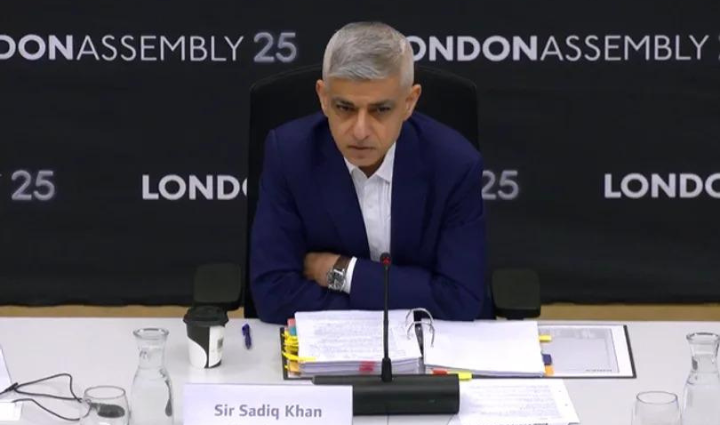
A major parliamentary inquiry has recommended transferring significant fiscal powers to London Mayor Sadiq Khan, urging the UK government to allow City Hall to retain a substantial portion of the tax revenues generated across the capital.
The proposal aims to modernize London’s funding framework, which remains heavily dependent on centralized fiscal allocations from Whitehall despite the metropolis generating a vast surplus for the national economy. Advocates of the move, including policy analysts and regional governance experts, argue that giving the Greater London Authority direct control over a higher share of locally raised taxes—such as property levies, business rates, and local income revenues—would accelerate capital investments in critical infrastructure, affordable housing, and climate resilience projects.
Under the current fiscal setup, the vast majority of tax revenue produced in London flows directly to the national Treasury, leaving the Mayor reliant on negotiations with central government departments for major public transport and civic development subsidies. The report highlights that this centralized structure restricts City Hall’s ability to plan long-term strategic investments and maintain services like the Transport for London (TfL) network without recurring financial crises.
The recommendation is expected to trigger debate across national political lines. While regional devolution proponents see greater tax autonomy as essential for enhancing municipal accountability and productivity, critics have raised concerns about deepening fiscal disparities between the capital and other regions across the UK, potentially complicating broader national “levelling up” and regional rebalancing initiatives.